

Print ISSN: 3071-0871 · Online ISSN: 3071-088X
-
Honorary Editor-in-Chief
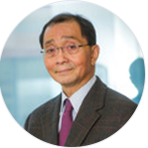
Harvard Medical School, Boston, MA, United States. Center for Neuro-Oncology, Dana-Farber Cancer Institute, Boston, MA, United States
Patrick Wen graduated from the Medical College of St. Bartholomew's Hospital, University of London, in 1981. He completed his internal medicine training at the University of London postgraduate hospitals and his neurology residency in the Harvard-Longwood Neurology Training Pr ogram. He is a former President of the Society for Neuro-Oncology, Editor-in-Chief of Neuro-Oncology and Principal Investigator of the Adult Brain Tumor Consortium. He is currently co-chair of the National Cancer Institute Brain Malignancy Steering Committee. His research is focused on novel therapies for brain tumors, especially gliomas, as well as improving clinical trial design and response assessment.
-
Editor-in-Chief
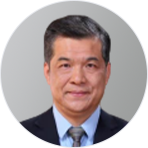
Department of Neuro-Oncology, Cancer Center, Beijing . Tiantan Hospital, Capital Medical University, Beijing, China
Wenbin Li is the Director of Cancer Center and Neuro-Oncology Department, Beijing Tiantan Hospital; Director of Department of Oncology, Capital Medical University (CMU); Vice Chairman of Drug Clinical Research Specialty Committee, President of FCN-159-002 SMC; Committee member, Asian Oncology Society (AOS) Academic Committee; Standing Committee Member and General Secretary of Glioma Specialty Committee, Chinese Medical Doctor Association (CMDA); Director of Department of Journal Publishing, Chinese Anti-Cancer Association (CACA); Chief Editor of Committee of neuro-oncology channel, Chinese medical reference newspaper. He is also Honorary Research Fellow at University of South Florida; Foreign Academician of the Royal Society of Medicine. He is very skilled at chemotherapy of intracranial malignant tumors and studies on the drug clinical trials. He is in charge of two novel drugs in phase I clinical trial, which belong to National Science and Technology Major Project for “Significant New Drugs Development” during the 13th Five-year Plan period, and the project has completed 20 phase I-IV clinical trials.
-
Co-Editor-in-Chief

Department of Clinical Oncology, The University of Hong Kong, Hong Kong, China
Professor Aya El Helali is a clinician-scientist specializing in medical oncology and translational research. She graduated from the National University of Ireland Galway in 2008 with an MB BCh BAO, first-class honors, and gold medals in Medicine and Surgery. She later earned her PhD from Queen’s University Belfast, where she received the Sir Allen McClay Clinical Research Fellowship. Her doctoral research focused on biomarker development, and her postdoctoral work focused on adaptive immunity. She recently joined the Department of Clinical Oncology at the University of Hong Kong and serves as co-chair of the HKU-HKSH Molecular Tumor Board. Her research has advanced understanding of the molecular characteristics of ovarian cancer, with implications for anti-angiogenic therapy, personalized medicine, and early-phase clinical trial development in Hong Kong.
-
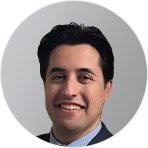
Veneto Institute of Oncology, Medical Oncology 1 Unit, Padua, Italy
Giuseppe Lombardi, MD, graduated in Medicine from the University of Padua and specialized in Medical Oncology with honors. In 2014, he obtained a PhD in Oncology and Surgical Oncology from the same university, with a thesis on tumor biomarkers in glioma patients. He further expanded his expertise through research and clinical training at leading neuro-oncology centers, including Memorial Sloan Kettering Cancer Center in New York and Pitié-Salpêtrière–Université Paris VI Hospital in Paris. He has authored or co-authored more than 130 peer-reviewed publications and has served as principal investigator in numerous clinical trials on new treatments for brain tumors. He coordinated the REGOMA study, which led to the inclusion of regorafenib in the NCCN guidelines for glioblastoma. He coordinates the Padua multidisciplinary group for central nervous system tumors and serves on the Board of Directors of the Italian Association of Neuro-Oncology (AINO). His research focuses on novel therapies for brain tumors, particularly gliomas.
-
Executive Editor-in-Chief
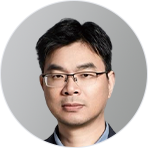
School of Medicine, Tongji University, Shanghai, China
Professor Shi is an expert in cell and cancer biology. He as the first author has published multiple papers on Nature, Cell, Nature Immunology, and Molecular Cell Biology with total impact factor of more than 100. Professor Shi has an international patent for an anti-tumor small molecule. He was the co-investigator in a funding granted by Memorial Sloan Kettering Cancer Center for drug development and also participated in 2 NIH and 3 State research grants. He received multiple awards including One of the One Hundred Best PhD Thesis in China, One of the Fifty Excellent Doctoral Thesis in Chinese Academy of Science, BHP Billiton Scholarship of GUCAS, and Jiuyuan Scholarship of Tanjiazhen Fund Fudan University et. al. Currently, Professor Shi's laboratory focuses on glioma as a model system to study the molecular mechanisms underlying the dependence of glioma cells with stem cell-like properties on mitochondrial function, as well as the druggable targets on mitochondria in glioma.
-
Assistant Editor-in-Chief

Department of Neuro-oncology, Cancer Center, Beijing Tiantan Hospital, Capital Medical University, Beijing, China
Academic Section: Analysis of policies and medical ethics related to neuropharmaceuticals and therapeutic devices
Feng Chen received her Ph.D. & M.D. degree from Shandong Medical University (1999). She is now a chief physician, professor and duty director of Cancer Center, Beijing Tiantan Hospital, Capital Medical University. She is a secretary-general and standing committee member of China Pharmaceutical Innovation and Research Development Association, the standing committee member of the Targeted Professional Committee of the Chinese Women's Medical Association. She has published over thirty papers on Chinese core journals and journals in SCI. Her current research interests focus on the pathogenesis and treatment of malignant tumors, especially brain tumors. Key areas include optimizing therapeutic protocols for gliomas (e.g. chemotherapies, molecularly targeted therapies, immunomodulation therapies, etc.), primary CNS lymphoma management, evidence-based interventions for brain metastases and clinical trials.
-
Associate Editors
 Huisheng Chen
Department of Neurology, General Hospital of Northern Theater Command, Shenyang, China
Professor Hui-Sheng Chen, MD, PhD, is Director of the Department of Neurology, Chief Physician, and doctoral supervisor. He also serves as Director of the Clinical Research Center for Cerebrovascular Diseases of Liaoning Province and Director of the Stroke Quality Control Center of Liaoning Province. His research focuses on basic and clinical studies of stroke and the mechanisms of aging. He has led more than 20 national and provincial research projects, including National Key R&D Program and National Natural Science Foundation of China grants, with total funding exceeding RMB 30 million. As first or corresponding author, he has published nearly 200 SCI-indexed papers in leading journals, including JAMA, European Heart Journal, JAMA Neurology, Nature Communications, Annals of Neurology, and Stroke. He has received multiple provincial scientific awards and honors.
-
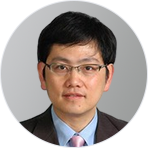
Department of Neurosurgery, Beijing Tiantan Hospital, Capital Medical University, Beijing, China
Zhen Wu specializes in the diagnosis and treatment of skull base and brainstem tumors, with more than 30 years of clinical experience. He performs over 600 complex skull base and brainstem surgeries annually and has played an important role in advancing diagnostic and therapeutic standards for these challenging conditions in China. He has served as a visiting scholar at several internationally renowned institutions, including Brigham and Women’s Hospital, the University of Pittsburgh Medical Center, Harborview Medical Center, and NewYork-Presbyterian Hospital. He has published dozens of papers as first or corresponding author in leading journals such as Cell Death and Disease, Clinical and Translational Medicine, Journal of Neurosurgery, and Radiotherapy and Oncology. His research focuses on the diagnosis and treatment of meningiomas, chordomas, and brainstem cavernous malformations.
-
Editorial Board MembersNatalia V. Belosludtseva
Pushchino branch of the Russian Biotechnology University, Pushchino, Russia
Academic Section: The basic mechanisms by which pharmacological agents exert their effect in treatment of neurological-related disorders
-
Rawiwan Charoensup
School of Integrative Medicine, Mae Fah Luang University, Chiangrai, Thailand
Academic Section: Cutting-edge perspectives in drug research and development
-
Ke Cheng
Department of Neurology, Yongchuan Hospital of Chongqing Medical University, Chongqing, China
Academic Section: The basic mechanisms by which pharmacological agents exert their effect in treatment of neurological-related disorders
-
Venelin M. Gerganov
Department of Neurosurgery, International Neuroscience Institute, Germany
Academic Section: Clinical trials, expert consensus, clinical guidelines, and case reports about neurological-related disorders
-
Xiaopeng Guo
Department of Neurosurgery, Peking Union Medical College Hospital, Beijing, China
Academic Section: The basic mechanisms by which pharmacological agents exert their effect in treatment of neurological-related disorders
-
Yuwei Jiang
University of Illinois at Chicago, Chicago, United States
Academic Section: The basic mechanisms by which pharmacological agents exert their effect in treatment of neurological-related disorders
-
Songshu Meng
Institute of Cancer Stem Cell, Dalian medical university, Dalian, China
Academic Section: Biologically relevant aspects of the epidemiology, diagnosis, and treatment of neuro disorders
-
Veron Ramsuran
University of KwaZulu-Natal, Nelson Mandela School of Medicine, South Africa
Academic Section: Cutting-edge perspectives in drug research and development
-
Yu Yang Soon
Department of Radiation Oncology, National University Cancer Institute, Singapore
Academic Section: Clinical trials, expert consensus, clinical guidelines, and case reports about neurological-related disorders
-
Daochun Sun
Department of Cell Biology, Neurobiology, and Anatomy, Medical College of Wisconsin, Milwaukee, WI, United States
Academic Section: Biologically relevant aspects of the epidemiology, diagnosis, and treatment of neuro disorders
-
Hailiang Tang
Department of Neurosurgery, Fudan University Huashan Hospital, Shanghai, China
Academic Section: Biologically relevant aspects of the epidemiology, diagnosis, and treatment of neuro disorders
-
Hongyan Wang
Neuroscience & Behavioral Disorders Programme, Duke-NUS Medical School, Singapore
Academic Section: The basic mechanisms by which pharmacological agents exert their effect in treatment of neurological-related disorders